Where everything begins
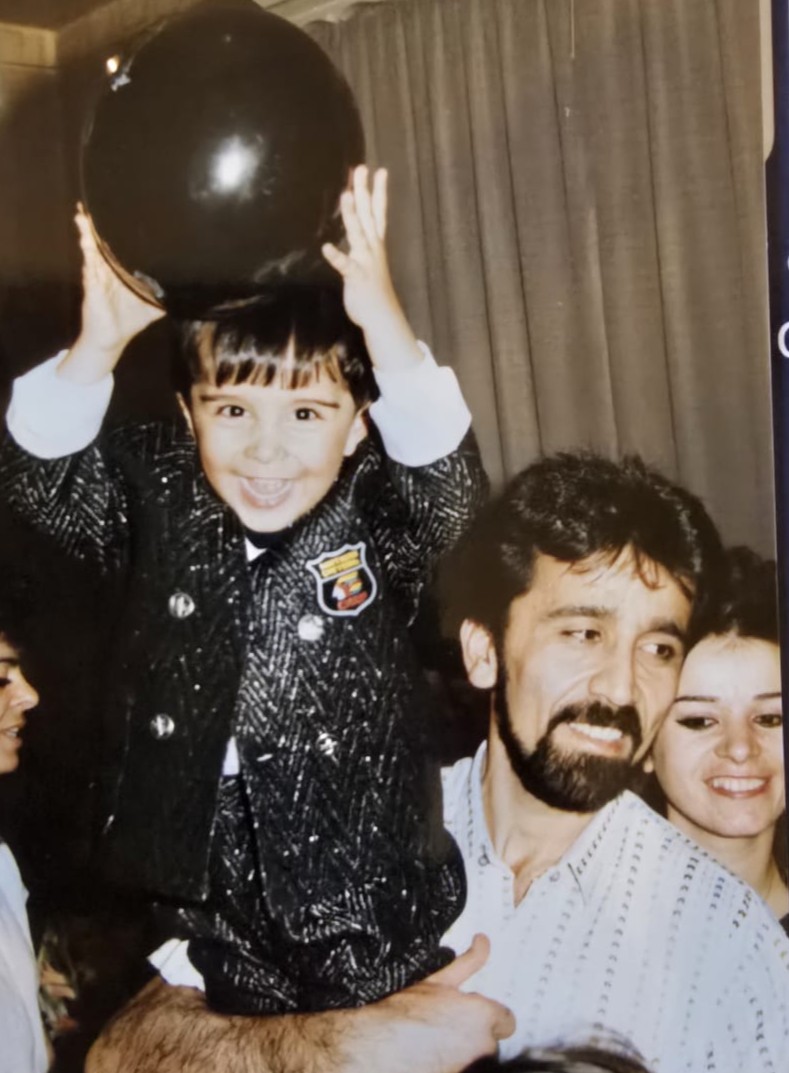
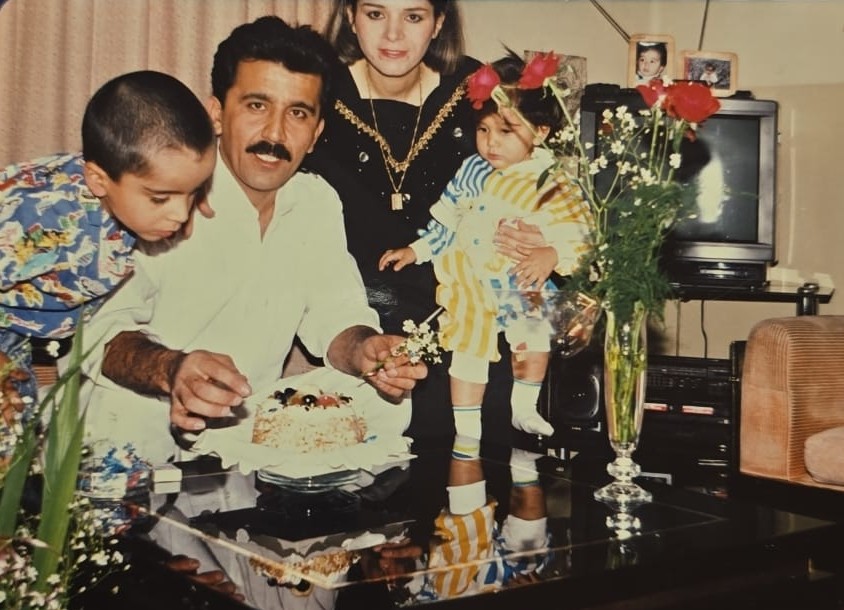
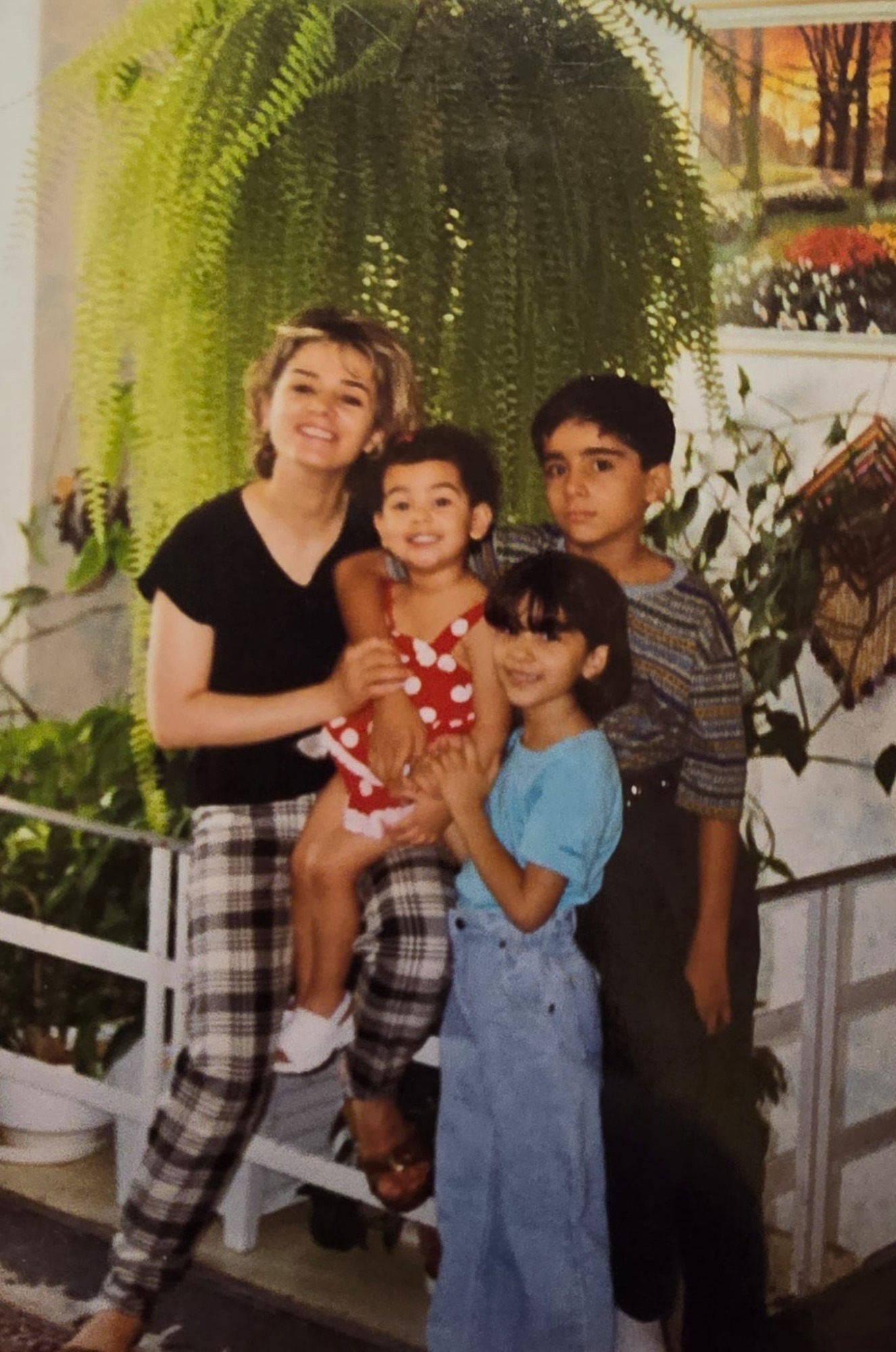
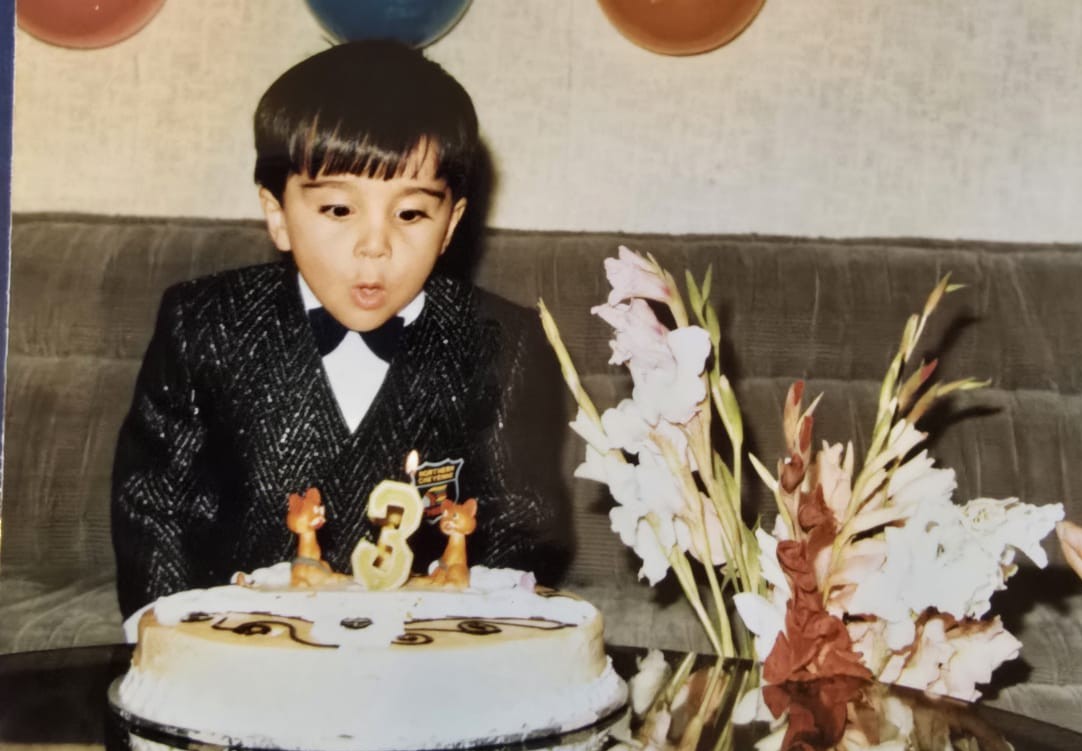
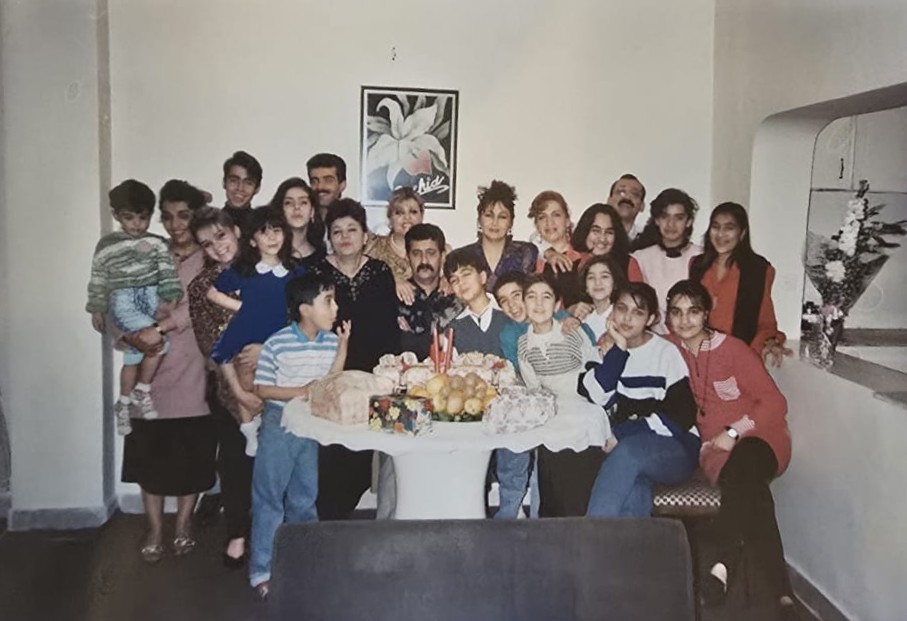
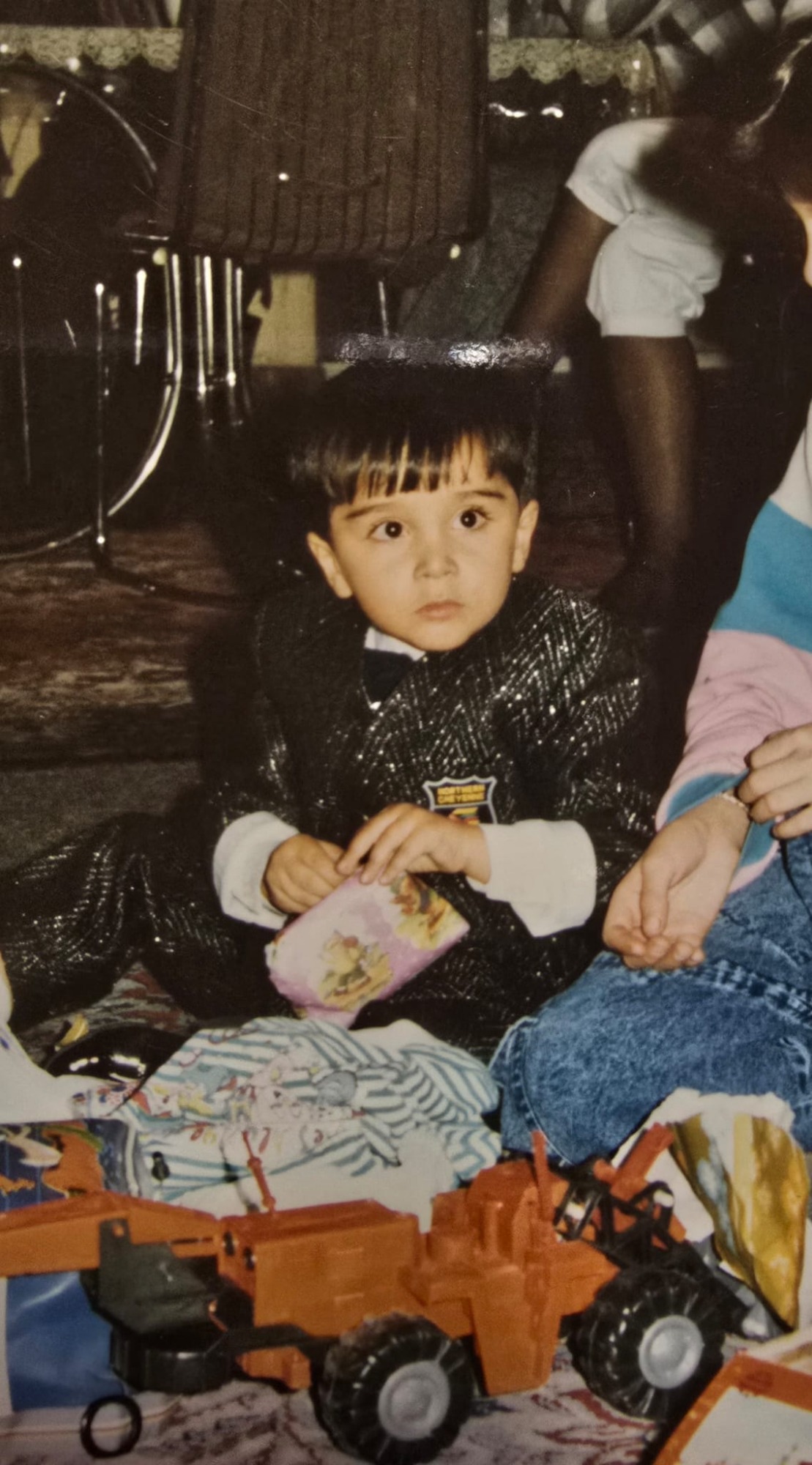
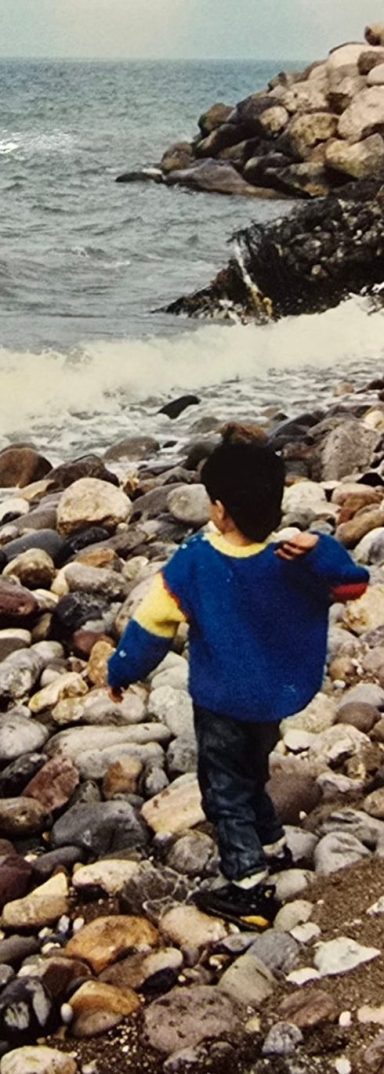
I grew up in an environment of safety, family and possibility.
That world disappeared early.
Starting over shaped how I think and how I build.
Discipline, curiosity and responsibility became constants.
This foundation still guides me today.
I was a curious and energetic child.
Always asking questions.
Always building, discovering, leading.
Our home was large and always full.
Family and friends came and went freely.
There was warmth, laughter and calm.
No raised voices. No tension.
Much of my childhood happened outdoors.
Playing, learning, traveling with family.
Fishing, camping, exploring nature together.
Safety lived in family.
Freedom lived in movement.
That foundation shaped who I became.
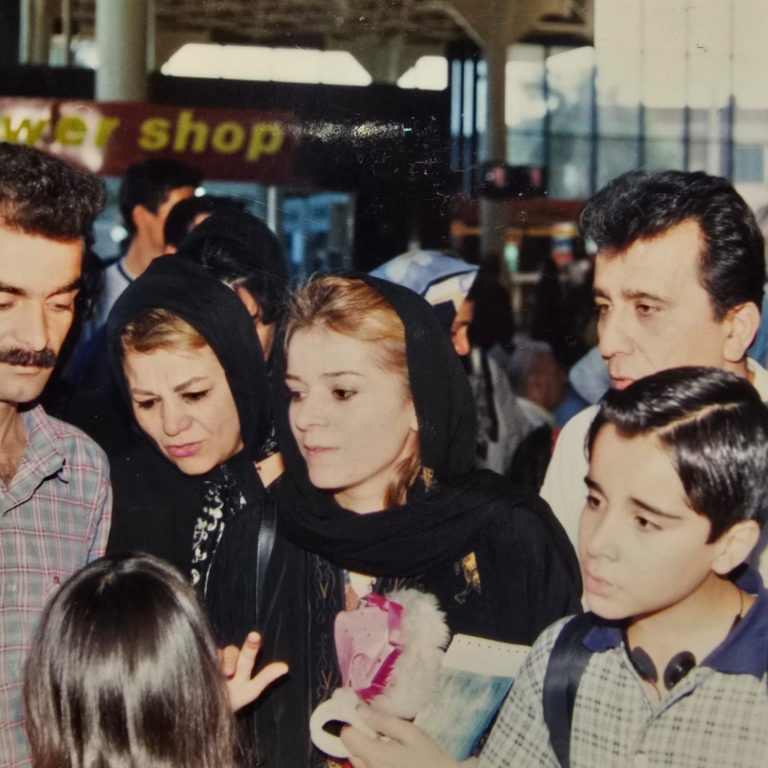
When everything changed
I was thirteen when my world shifted overnight.
One day, life was familiar and safe.
The next, everything I knew was gone.
We fled Persia and arrived in the Netherlands as refugees.
My father stayed behind.
I came with my mother and my younger sister.
We lived in temporary camps.
Tents first. Then shared rooms.
No privacy. No certainty. No language. No school.
One night stays with me.
I was awake while my mother and sister slept.
Rain hit the tent. The wind moved the fabric walls.
I looked down and saw a rat run from under my sister’s bed to my mother’s.
That was the moment I understood:
nothing would be the same again.
Living without ground
After we arrived in the Netherlands, life settled into something that looked like routine, but never felt like one.
In the camps, days were fragmented.
A few hours of language lessons when available.
Meals in a shared hall.
Long stretches of time with nothing assigned to you.
I spent most of that time outside.
With other children.
Moving, playing, talking in half-words and gestures.
Later, in the refugee camp, I moved more beyond the camp itself.
Looking for social life.
Trying to understand how people lived outside the fences.
Where normal life seemed to continue without us.
Nothing felt permanent.
Before we were eventually forced to leave the camp, instability had already become normal.
After that, we were taken in by the parents of a friend.
We lived in their house, in a village, for almost two years.
It was generous.
And it was fragile.
I became very aware of space.
Of not taking too much.
Of not being a burden.
I spent most of my time outside the house.
With friends.
Building a social life that didn’t depend on where I slept.
I tried to earn money where I could.
Not officially.
Not always allowed.
To pay for my own life.
And to help my mother where possible.
There was no clear separation between childhood and responsibility.
Those lines blurred early.
Weeks passed like that.
No fixed structure.
No school.
No guarantees.
But I was learning constantly.
How to read people.
How to adapt to different environments.
How to move without being noticed, and when to step forward.
It wasn’t dramatic.
It was quiet.
And it became normal.
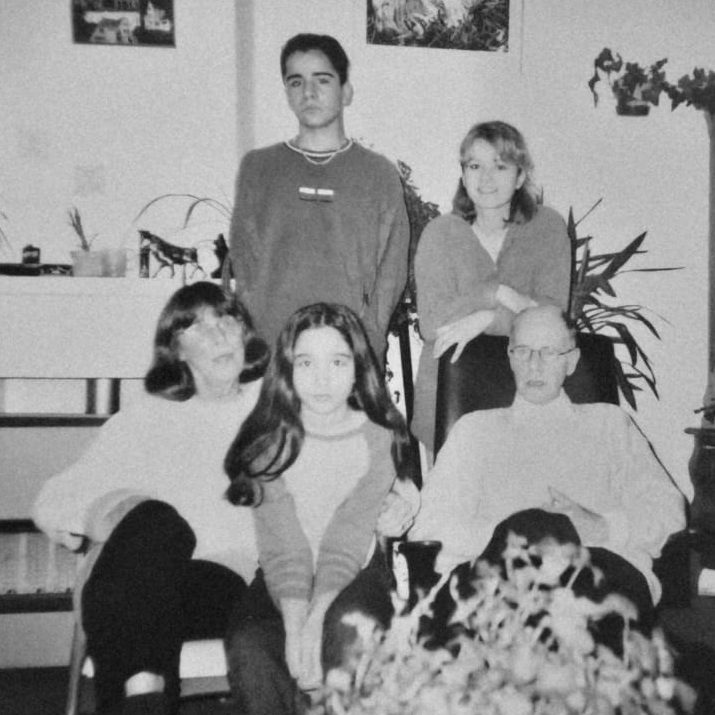
1999
2005
When the body became the limit
This period didn’t come in isolation.
It came when everything else had already fallen away.
My father was not in the country.
We had been forced out of the refugee camp.
There was no home to return to.
No income.
No certainty to lean on.
It was just my mother, my younger sister, and me.
Three people moving through days without structure.
No school.
No system.
Only constant adjustment.
I was fifteen when the accident happened.
The accident was severe.
A major tear in muscle and connective tissue destabilized my spine.
My body could no longer support itself.
Standing, walking, even sitting became controlled actions.
Nothing was automatic anymore.
Movement became restricted.
Simple actions required planning.
Eventually, surgery followed.
After that came the brace.
A heavy metal structure wrapped around my upper body, forcing my spine in one direction.
It wasn’t optional.
I wore it during the day.
The first year, even at night.
Sleep broke into fragments.
Comfort disappeared.
Around the same time, my body reacted violently to medication.
Severe eczema spread across my skin, including my face.
For almost a year.
I was young, but my world shrank.
Three times a week, physiotherapy.
Every day, rehabilitation.
Hours long.
There was no school.
No routine others could relate to.
Isolation wasn’t emotional.
It was physical.
Unavoidable.
What stayed was movement, in whatever form was still possible.
Pushing within limits.
Then pushing those limits slightly further.
I refused to disappear into the injury.
Social life required effort.
So did confidence.
Both had to be actively rebuilt.
I worked where I could.
Helped at home.
Found ways to stay useful.
Pain became background noise.
Restriction became something to negotiate, not accept.
Those years moved slowly.
But something else took shape during that time.
The body stopped being something I could rely on by default.
So discipline stepped in.
Not ambition.
Not anger.
Discipline.
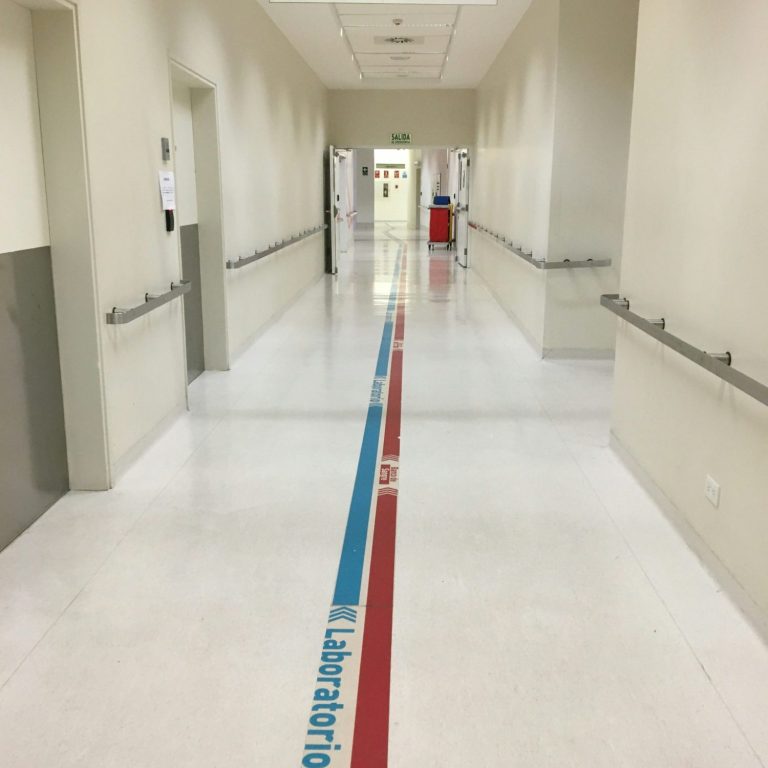
2004
The injury changed my relationship with my body.
It made strength a responsibility, not a preference.
I made a decision early on.
To never become physically fragile.
To never negotiate with comfort.
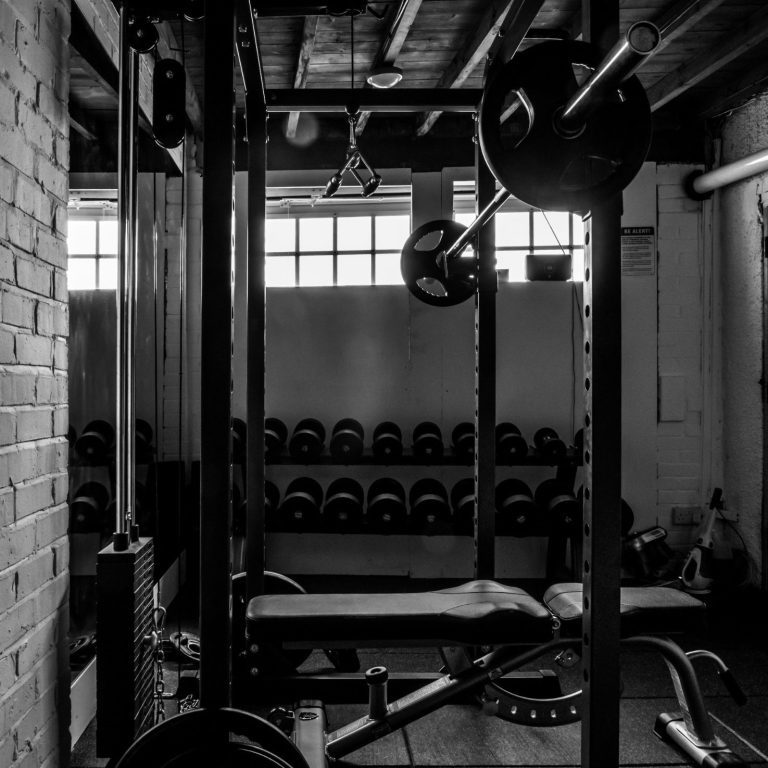
Movement became non-negotiable.
Training became structure.
Discipline became maintenance.
I didn’t train to recover.
I trained to remain strong.
Not temporarily.
But as a way of living.
Years passed.
The commitment stayed.
Strength became part of how I move through the world.
Not as performance.
But as baseline.
Entering a system I had never been given access to
When my body slowly stabilized, something else finally became possible.
At around nineteen, we received our residence permit.
For the first time, there was legal ground beneath us.
Not comfort.
Not security.
But permission to begin.
That moment came with another confrontation.
I wanted to start.
But reality caught up immediately.
There was no educational base.
From the age of thirteen to nineteen, I had effectively missed the entire system.
No secondary education.
No structure.
No continuity.
Years of instability had left real gaps.
In knowledge.
In rhythm.
In how learning was even supposed to work.
The system had only one place for me.
The lowest formal entry point available.
Not because of my capacity,
but because it was the only legally possible beginning.
I accepted the starting point.
I did not accept the timeline.
I was older than most around me.
Painfully aware of time.
Completely uninterested in distraction.
I didn’t adapt to the system.
I pushed against it.
I changed schools repeatedly, not to escape difficulty,
but because the pace was wrong.
What was designed to take six years,
I compressed into one.
At the same time, I rebuilt what had never been given.
Studying independently, late into the night.
Biology.
Chemistry.
Physics.
Mathematics.
Not to prove anything to anyone.
But because I refused to remain dependent on missing foundations.
This wasn’t resilience as an idea.
It was execution under constraint.
By the time I entered university,
the achievement itself felt secondary.
What mattered was that the system had finally caught up
to the speed I had been forced to develop years earlier.
For the first time, effort wasn’t spent surviving gaps.
It was spent moving forward.
2006
Building as a natural extension
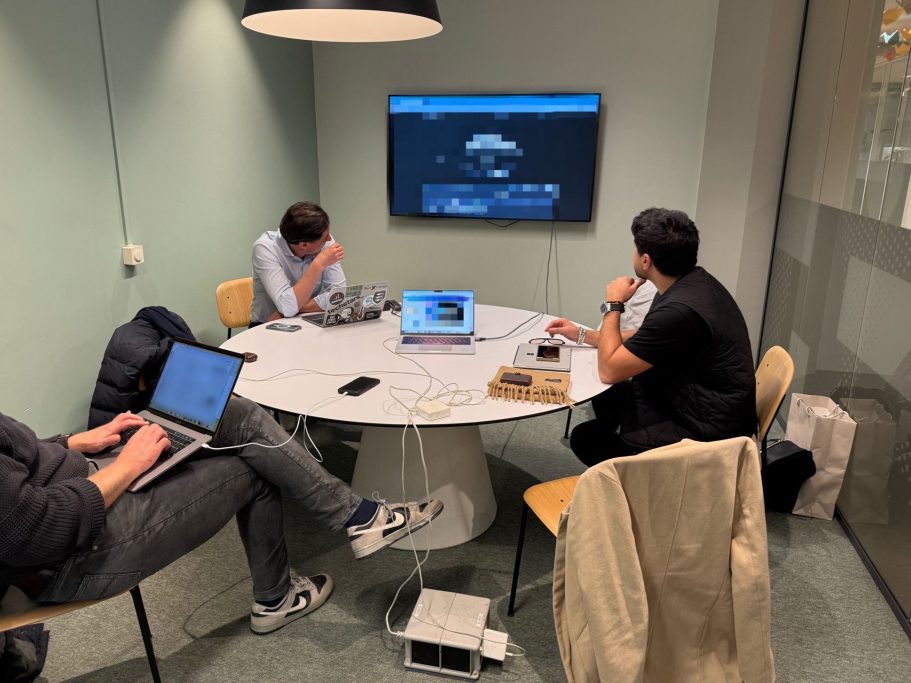
By the time structure returned, building was already familiar.
I had learned to observe systems closely.
Where they worked.
Where they didn’t.
Where people adapted quietly around them.
I noticed patterns early.
In behavior.
In incentives.
In inefficiencies others accepted as normal.
Starting something never felt dramatic.
It felt practical.
I tested ideas while studying.
While working.
While learning how real systems behaved under pressure.
Small projects came first.
Then larger ones.
Each one teaching me more about execution, trade-offs and responsibility.
Entrepreneurship wasn’t an escape from something else.
It wasn’t compensation.
It wasn’t ambition.
It was simply the most direct way to turn understanding into action.
Where I stand today
Life is quieter now.
Not easier.
But grounded.
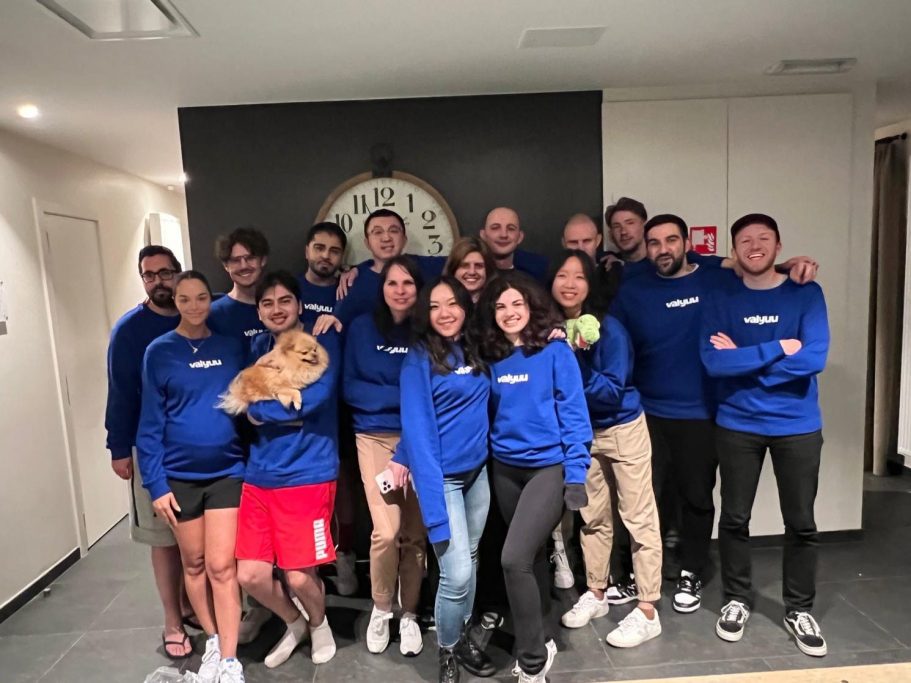
I build with people I trust.
I live for the people I love.
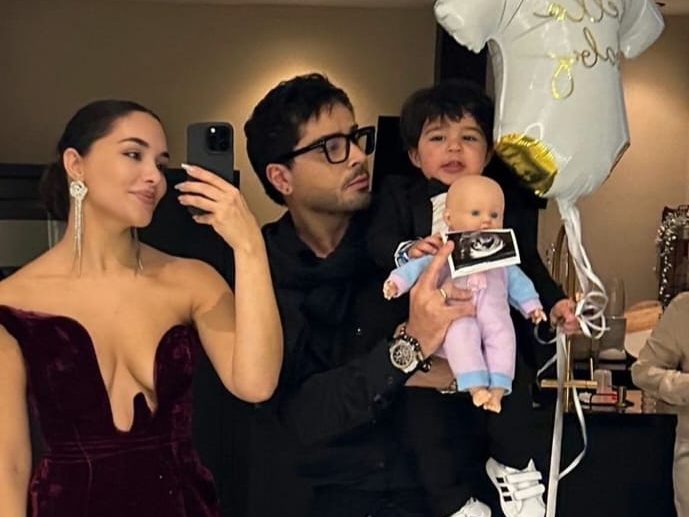
I’m a husband.
A father.
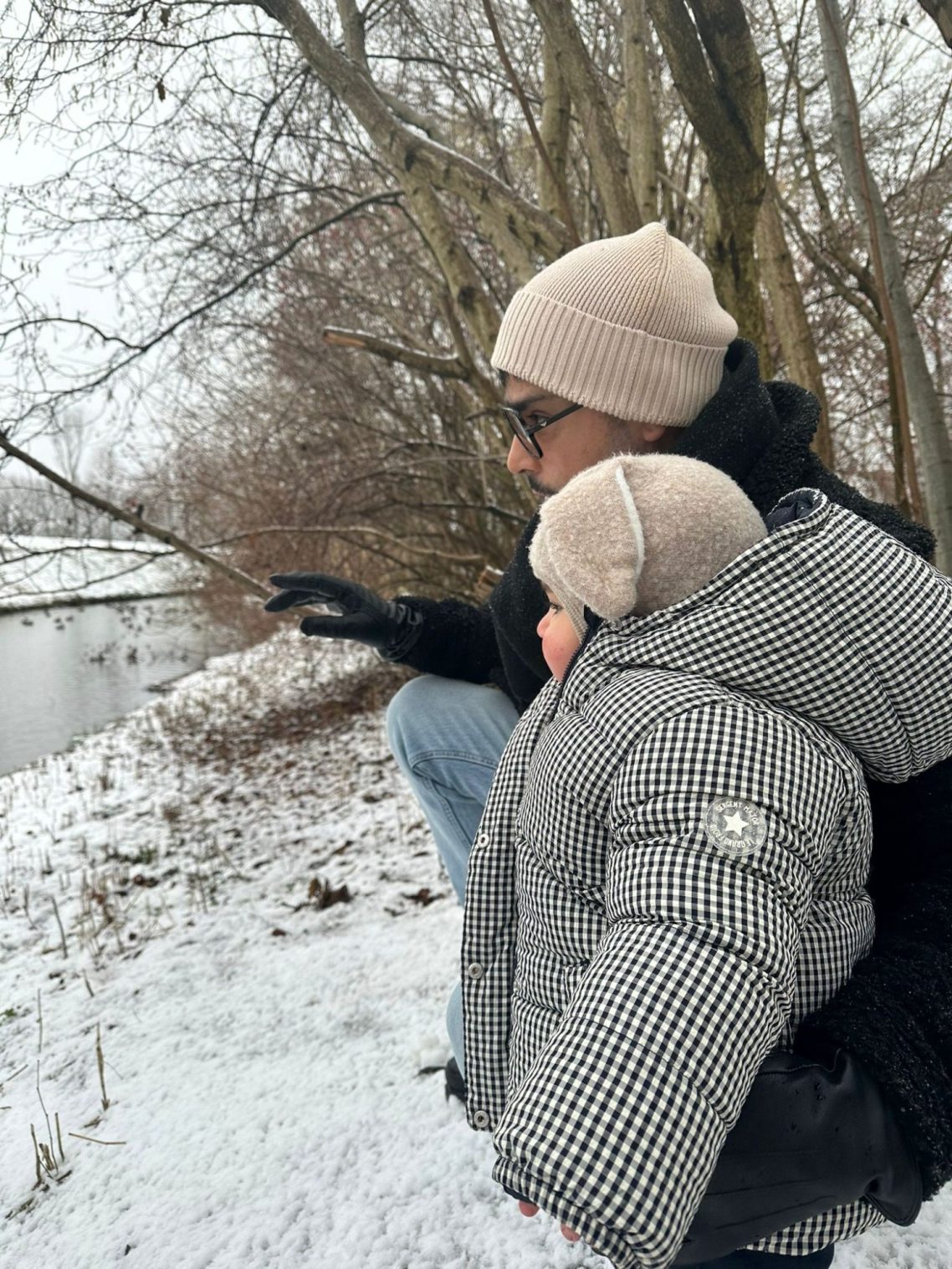
Surrounded again by family life, warmth and responsibility.
And we’re expecting our second child.
A new life joining a world that already feels full.
I’ve always been a builder.
That never stopped.
Some things were postponed.
Some paths paused.
Not abandoned.
Building now comes from choice.
From clarity.
From focus.
What matters has become clear.
I choose depth.
I choose consistency.
I choose long-term over noise.
Not everything needs to be explained.
Some things are simply lived.